
Composite Decking Vs. Natural Wood: A Complete Comparison

deck builder

Wood decking offers an appealing aesthetic that can complement a wide range of design styles. Wood can be stained, painted or left unfinished to achieve the look you prefer.

However, wood decking requires regular maintenance including painting, staining and sealing to protect against moisture damage. Composite decking does not require this level of upkeep and is more resistant to rot, decay and insect damage. Go to https://jrcsi.com/ to learn more.

Durability

When selecting a decking material for your outdoor space, durability is one of the most important factors to consider. You’ll want your deck to stand up to harsh weather, heavy foot traffic, and the test of time without degrading or fading. Both wood and composite materials can meet these needs, but they do so in different ways.

Wood has a natural, authentic look that many homeowners find desirable. In addition, it offers a more affordable upfront option than most forms of composite and can be customized with stains to match your home’s exterior color scheme. However, even pressure-treated wood has a limited lifespan and requires regular maintenance to keep it looking new.

Composite decking, on the other hand, can last much longer than traditional wood and requires less upkeep to maintain its appearance. It also resists rot, insects, and water penetration better than wood. Additionally, it won’t splinter or warp like wood. Its longevity, low-maintenance appeal, and eye-catching design options make it a popular choice for backyard retreats, poolside lounging areas, and dining spaces.

Most quality composite products feature durable PVC and polyethylene cores with a protective outer shell. Manufacturers use a mix of recycled plastics and wood products, such as sawdust, to create the blend and bond them together with heat and preservatives. Some composite products are even made from wood-free, bio-based materials to reduce environmental impact and help preserve forests.

While early versions of composite decking had a more plastic-like appearance, today’s offerings are made to mimic the color and grain texture of real wood with striking results. In fact, some people cannot tell the difference between a wood and composite deck. Many also feature hidden fasteners, adding to the clean, refined aesthetic.

Another benefit of composite is that it stays cooler underfoot than natural wood, which can become uncomfortably warm on hot days. Proper ventilation, shade features, and lighter colors can help reduce solar absorption and keep your deck comfortable all year round.

Maintenance

One of the most important factors homeowners must consider when choosing a decking material is how much maintenance it will require. Wood decks typically require staining and painting at least once every few years, as well as regular inspections to ensure rot and warping are not causing damage.

These upkeep costs add up over time, but composite decking is much less costly in this regard. Because it is resistant to rotting and insect damage, you can expect a significantly longer lifespan from your composite deck, saving you both money and time in the long run.

Aside from periodic cleaning, there is little else to worry about with a composite deck. It can handle high levels of foot traffic and is designed to resist the impact of rain, snow, and hail. Its surface also doesn’t splinter, making it a safe choice for families with children and pets.

Unlike natural wood, composite material is not as comfortable to walk on. Its color and texture can heat up with direct sunlight, and it does not insulate as naturally. This can make it uncomfortable for people to spend prolonged periods of time on a hot deck. Additionally, the lack of an ability for the deck to absorb moisture can make it slippery when wet, creating a slip risk.

The good news is that there are ways to mitigate these issues. Incorporating rugs or furniture leg caps can prevent the deck from becoming too slippery, while sweeping can help to remove loose dirt and debris from the surface.

As a final note, it is important to remember that both wood and composite decks require a level of maintenance in order to stay in good condition. This is why it is so important to work with a reputable, knowledgeable builder when building or renovating your deck. By choosing the right materials and working with a professional, you can rest assured that your deck will be able to withstand both high traffic and the elements for many years.

Aesthetics

Wood decks provide a natural look that’s hard to duplicate with artificial materials. They offer a classic beauty and feel that homeowners love, as well as warmth underfoot. However, a wood deck requires regular staining, sealing, and other treatments to prevent rot and mold. This maintenance can be time-consuming and costly.

Composite decking is a modern, alternative option that provides many of the benefits of wood but with less maintenance and upkeep. Designed with wood fibers and recycled plastic, composite is available in a variety of colors to complement any home style and design. In addition to its aesthetic appeal, composite decks are durable and safe for children and pets.

One of the main reasons homeowners choose composite over wood is its minimal maintenance requirements. Unlike wood, composite decking doesn’t need sanding or staining to keep it looking new. It’s also resistant to direct sunlight, scratching, water damage, and insects. This helps homeowners save time and money on maintenance every year.

While composite decks are designed to withstand harsh weather conditions, they may experience some fading and discoloration over the years. To minimize this, homeowners can use protective coatings to protect their composite boards from moisture and sun exposure.

Although composite can be stained to preserve its original color, the process is time-consuming and may require professional assistance. Alternatively, some manufacturers have introduced fade-resistant technology to help their composites retain their color for longer.

Lastly, composite decking is often more difficult to cut than wood. This can be a problem if you need to repair or replace a damaged board. Additionally, some composites can retain heat, which makes them uncomfortably hot underfoot on scorching days.

Wood decks are susceptible to rot, mold, splintering, and insect damage over time. This can lead to structural issues and safety hazards for family members and guests. However, with proper care and maintenance, a wood deck can last for decades. Moreover, it’s possible to find wood products with a wide range of warranties from manufacturers like Trex that cover both material and labor costs. These warranties can add significant value to your investment.

Cost

Whether you’re building a cozy backyard retreat or a spacious entertaining area, composite decking is an excellent choice for your new outdoor space. The smart blend of durability, low maintenance, and eye-catching design options makes it a practical and stylish solution that saves you time and money over the long haul.

Wood decks typically require refinishing every couple years, which is a labor-intensive process that costs both in dollars and elbow grease. A quality composite deck requires a little soap and water for periodic cleaning, freeing up your weekends to spend enjoying the benefits of your outdoor living space.

When it comes to upfront costs, composite can be more expensive than natural wood. However, once the initial investment is made, you’ll reap significant savings in annual upkeep expenses. This is due to a reduced need for staining and other repairs, which can add up over the life of your composite deck.

Additionally, a high-quality composite deck will last far longer than traditional wood, saving you thousands in replacement costs over the lifetime of your home. Considering that these savings can add up over the years, composite decking is actually the more cost-effective option when comparing total cost of ownership.

In addition to providing a durable, low-maintenance decking solution, composite is also an environmentally responsible option. Many brands use recycled materials and reclaimed sawdust, reducing waste and the need for fresh material. Furthermore, using wood byproducts allows manufacturers to get more use out of a single tree and reduces the amount of waste that ends up in landfills or oceans.

As a result, composite is an ideal choice for homeowners and designers who value environmental responsibility. With many different types of composite available, it is easy to find a material that matches project requirements and industry standards. By familiarizing yourself with key terms like profiles, span ratings, and fastening methods, you can ensure that your project specifications are accurate and meet code requirements.

Choosing the right decking is an important decision for any homeowner or designer. Understanding the pros and cons of each type will help you make an informed decision for your next project. Whether you’re looking for an authentic, natural wood look or a durable, low-maintenance alternative, Resysta can help you find the best fit for your next project.
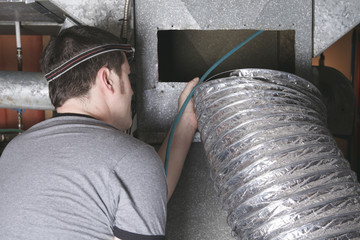
Air Duct Cleaning For Mold and Mildew Prevention

https://www.allproutah.com/

The air ducts in most homes accumulate dirt over time. Cleaning may reduce some of this pollution.

Mold spores disperse in the air and can trigger health issues. Professionals can reduce moisture and spores with a chemical biocide. (Use only EPA-registered products with strict label instructions.) This product can be applied to bare sheet metal, insulated ducts and mini split ductless systems. Contact https://www.allproutah.com/ to learn more.

Prevents Mold and Mildew Growth

Air ducts can harbor mold, mildew and other organisms in damp conditions. These contaminants can then circulate throughout the home, infecting people with spores that trigger allergies and other health problems. Regular air duct cleaning reduces the presence of these spores and helps protect indoor health.

The presence of mold in your air ducts may be indicated by visible growth, musty odors, or restricted airflow around vents and duct openings. If you notice any of these signs, it’s crucial to act quickly to prevent the spread of mold spores in your home. Mold can aggravate asthma and other respiratory issues, and some types of mold may even be toxic to humans when inhaled.

Molds are fungi that thrive in warm, damp environments. They reproduce through tiny spores that can become airborne and cause problems for the entire family. These spores can lead to respiratory problems, rashes and other health issues in susceptible individuals, including children and elderly adults. Mold exposure is also especially dangerous for those with compromised immune systems.

Many duct cleaning companies claim to be able to demonstrate the presence of mold in your ductwork by presenting evidence such as petri dishes or clear strips of tape. However, only an expert can positively identify a substance as mold or another organism and laboratory analysis may be required for final confirmation.

Air duct cleaners employ a variety of techniques to thoroughly clean and sanitize air ducts. These techniques include vacuuming, brushing, and agitating surfaces to remove dust, debris and other contaminants from inside walls, vents, and heat exchangers. During this process, technicians can often identify problem areas such as leaks, excessive humidity and improper ventilation. They can then address these issues to help prevent future mold and mildew growth.

Some duct cleaning services may recommend the use of chemical biocides or ozone to kill bacteria, fungi and other organisms in ductwork. These methods may be beneficial for some situations, but it’s important to discuss your options with the service provider before they apply any chemical biocides or ozone to your ductwork.

Reduces Allergens

Airborne allergens, irritants, and pathogens are circulated throughout your home multiple times a day by your HVAC system and ductwork. These contaminants can include pollen, dust mites, pet dander, bacteria, and viruses. These contaminants can cause or aggravate respiratory conditions like asthma and chronic bronchitis. Air Duct cleaning removes these contaminants and improves indoor air quality.

Allergens in your air ducts can also contribute to musty or stale odors throughout your home. Air duct cleaning removes these contaminants and helps eliminate unpleasant odors.

Mold growth in air ducts is typically caused by high humidity and moisture, poor ventilation, and lack of air conditioning maintenance. Air duct cleaning can help reduce the risk of mold and mildew by eliminating contaminants, improving ventilation, and ensuring air conditioning efficiency.

An experienced technician can identify and address the source of mold and mildew growth in your ductwork. They will clean the affected areas and restore proper duct insulation, as needed. Then, they can install a UV light in your ducts to kill any remaining mold spores and disinfect the entire system.

In some cases, an air duct cleaning company may recommend the use of a chemical biocide to kill bacteria (germs) and fungi (mold) in your ductwork and prevent future biological growth. This is generally only recommended for uninsulated ducts in which the occupants of the home are not present during application, and the product must be strictly applied following the label instructions.

The best way to protect your home from mold is to prevent excessive moisture, and to keep humidity levels at 30%-50%. To control moisture levels, use exhaust fans in bathrooms and kitchens, make sure your air conditioning is properly sized to prevent condensation, and consider using a dehumidifier during warmer months. Keeping up with regular maintenance and using a high-efficiency air filter can also help prevent moisture buildup in your air ducts.

Improves Indoor Air Quality

Air ducts serve as a breeding ground for dust mites, mold, and other contaminants. These pollutants can circulate throughout the home and cause allergic reactions and respiratory issues. The good news is that a thorough cleaning and proper maintenance of air ducts can significantly improve indoor air quality and create a healthier living environment.

Dust mites can thrive in a dusty environment and feed on microscopic skin cells that shed naturally, leading to an accumulation of particles in the ductwork. Pollen, pet dander, and other outdoor allergens can also find their way into air ducts. All of these pollutants can aggravate allergies, and when the ductwork is dirty, they are released into the home, where they can trigger asthma and other respiratory problems.

In addition, moisture that enters the ductwork can create an ideal environment for mold spores to grow and flourish. The spores can then be dispersed into the home when the HVAC system operates, where they can settle in rooms with high humidity levels and contribute to musty odors. Regular maintenance of air ducts can prevent the buildup of moisture, which can lead to mold growth and contaminate indoor air.

When hiring a professional air duct cleaning service, look for a company with a solid reputation and transparent pricing. Ask about the cleaning process, and be sure to read customer reviews. A reputable company will also offer educational materials and testimonials to show how their services can benefit your health.

Professionals use powerful vacuum systems and brushes to thoroughly clean the interior of ductwork, eliminating one major food source for mold and mildew colonies. They may also use sanitizing agents to kill any remaining germs or bacteria, further improving indoor air quality.

In addition to air duct cleaning, homeowners should also make sure their homes have adequate ventilation and perform routine filter changes. In order to prevent moisture from entering the ductwork, homeowners should repair leaks promptly and ensure that water doesn’t accumulate under cooling coils. Regular visual inspections of the ductwork can help detect moisture problems, and prompt remediation will help prevent mold and mildew growth.

Reduces Energy Bills

Aside from promoting better indoor air quality, regular duct cleaning can also reduce energy bills. Dirty air ducts cause a loss of energy efficiency because air has to work harder to move through them. This causes your HVAC system to run more frequently, which burns more gas and electricity, leading to higher utility bills.

The EPA recommends that you have your air ducts professionally cleaned every three to five years, although some homes may require more frequent services. A professional will use specialized vacuum equipment to clean the insides of your ductwork, as well as contact brushing and possibly dusting with hand brushes. He or she will also clean access points and re-insulate them. It is important to find a trustworthy, knowledgeable service provider who will take care not to damage your ductwork.

Mold spores disperse throughout the air when mold grows in a damp environment, and they can be circulated through your home every time your air conditioning or heating system runs. They can produce musty odors, trigger allergy and asthma symptoms, and contribute to a host of other health issues.

Professional duct cleaning prevents mold and mildew by eliminating moisture intrusion in the ductwork, removing food sources, and improving airflow. A reputable company will also visually inspect your ductwork and if mold is detected, address the underlying conditions that allowed it to grow.

Moisture intrusion and condensation, as well as the presence of dust, pet dander, and organic debris can all lead to mold growth in a home’s ductwork. Poor airflow restricts moisture, creating a hospitable environment for fungus to thrive. Clogged ductwork can also provide pockets of stagnant air that are ideal for condensation to develop, as well as breeding grounds for rodents and insects.

Some duct cleaning companies will claim to be able to show you that your ductwork is contaminated by demonstrating growth of microorganisms on a settling plate. However, this is not accurate, since some spores are always present in the air, and only an expert can positively identify them by lab analysis. Other duct cleaning services may propose the introduction of chemical biocides or ozone into your ductwork to kill germs and prevent future biological contamination. These chemicals are controversial and can be harmful to your family’s health if not applied according to label instructions.