Inspire Your Space with Innovative Architecture

Architecture is more than just constructing buildings; it is the art and science of designing spaces that inspire, function, and endure. From residential homes to commercial structures, architecture shapes the environment, reflects cultural values, and enhances the quality of life. Modern architecture combines creativity, technology, and sustainability to create spaces that are both beautiful and practical.
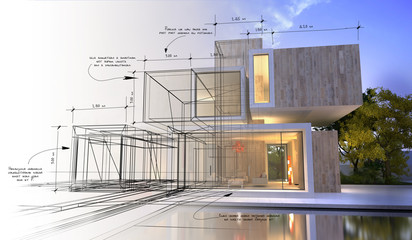
architecture

The Importance of Architecture

Architecture plays a crucial role in everyday life. Well-designed spaces influence how people feel, interact, and perform within them. Functional layouts improve efficiency, natural lighting enhances mood, and thoughtful aesthetics create lasting impressions.

Beyond personal experience, architecture impacts society by promoting urban development, improving public spaces, and fostering sustainable practices. It combines technical expertise with artistic vision to craft environments that stand the test of time.

Key Principles of Architecture

Effective architecture relies on several core principles that guide design and construction:

  • Functionality: Spaces must meet the practical needs of occupants.
  • Aesthetics: Design elements like form, color, and texture create visual appeal.
  • Sustainability: Energy-efficient designs and eco-friendly materials reduce environmental impact.
  • Structural Integrity: Buildings must be safe, durable, and compliant with regulations.
  • Contextual Harmony: Architecture should complement the surrounding environment.
  • Innovation: Modern architecture often incorporates cutting-edge technology and creative solutions.

Balancing these principles ensures that architectural projects are both visually striking and highly functional.

Residential Architecture

Residential architecture focuses on designing homes that reflect personality, lifestyle, and comfort. It includes single-family houses, apartments, and multi-unit dwellings.

Key considerations in residential architecture include:

  • Space Optimization: Efficient layouts maximize usability.
  • Natural Light: Large windows and open spaces improve ambiance.
  • Energy Efficiency: Insulation, sustainable materials, and modern appliances reduce utility costs.
  • Aesthetic Design: Interior and exterior elements enhance visual appeal and personal expression.
  • Safety and Accessibility: Ensuring homes are safe, comfortable, and accessible for all occupants.

Residential architecture combines creativity and practicality, providing homes that are both inviting and functional.

Commercial Architecture

Commercial architecture focuses on structures used for business, retail, offices, and public services. It emphasizes functionality, efficiency, and brand identity while accommodating large numbers of users.

Key elements in commercial architecture include:

  • Efficient Layouts: Spaces designed for workflow and customer experience.
  • Modern Aesthetics: Designs that convey professionalism and innovation.
  • Sustainability: Incorporating green technologies and materials.
  • Safety Compliance: Adhering to building codes, accessibility standards, and fire safety regulations.
  • Technology Integration: Smart systems for lighting, security, and climate control.

Commercial architecture enhances productivity, attracts clients, and supports sustainable business practices.

Sustainable Architecture

Sustainability is a growing focus in modern architecture. Energy-efficient buildings reduce environmental impact and lower operating costs. Techniques include:

  • Green Roofs and Walls: Improve insulation and promote biodiversity.
  • Solar Panels: Generate renewable energy.
  • Efficient HVAC Systems: Reduce energy consumption.
  • Water Conservation: Rainwater harvesting and low-flow fixtures.
  • Sustainable Materials: Use of recycled or renewable resources.

Sustainable architecture aligns design with environmental responsibility, creating buildings that are efficient, resilient, and eco-friendly.

Architectural Design Trends

Current architectural trends reflect innovation, technology, and evolving lifestyles:

  • Minimalism: Clean lines, open spaces, and uncluttered layouts.
  • Biophilic Design: Incorporating natural elements to improve well-being.
  • Smart Buildings: Integration of automation and IoT technology for efficiency.
  • Adaptive Reuse: Transforming existing structures for new purposes.
  • Mixed-Use Development: Combining residential, commercial, and recreational spaces in a single project.

Staying current with trends allows architects to create modern, functional, and visually appealing designs.

The Role of Technology in Architecture

Technology has revolutionized architectural design and construction. Tools like computer-aided design (CAD), building information modeling (BIM), and 3D visualization enable architects to plan, test, and refine projects with precision.

Advanced construction techniques and materials enhance safety, durability, and efficiency. Virtual reality and augmented reality allow clients to experience designs before construction begins, ensuring satisfaction and minimizing errors.

Architecture and Urban Planning

Architecture is closely connected to urban planning. Thoughtful architectural design contributes to vibrant, functional cities by integrating public spaces, transportation, and residential areas.

Key considerations include:

  • Community Needs: Designing spaces that serve diverse populations.
  • Traffic Flow: Efficient layouts for pedestrians and vehicles.
  • Public Spaces: Parks, plazas, and recreational areas that enhance quality of life.
  • Sustainability: Eco-friendly infrastructure and energy-efficient urban planning.
  • Aesthetic Harmony: Ensuring buildings complement the cityscape and cultural context.

Effective urban architecture creates cities that are functional, attractive, and sustainable.

Choosing the Right Architectural Approach

Selecting the right architectural approach depends on purpose, budget, and vision. Factors to consider include:

  • Project Goals: Residential comfort, commercial efficiency, or public functionality.
  • Budget and Resources: Aligning design with financial constraints.
  • Sustainability Goals: Prioritizing energy efficiency and eco-friendly materials.
  • Innovation and Style: Balancing creative design with practicality and functionality.

A thoughtful approach ensures that architecture fulfills objectives while maintaining beauty and usability.

Architecture shapes the way we live, work, and interact with the world. From residential homes to commercial complexes, innovative and sustainable design improves quality of life, enhances efficiency, and creates lasting impressions.

By combining aesthetics, functionality, and environmental responsibility, architects create spaces that inspire, endure, and adapt to changing needs. Modern architecture leverages technology, design trends, and sustainability to transform the built environment, ensuring spaces are both visually appealing and practical.

Investing in thoughtful architectural design is an investment in comfort, efficiency, and future growth. Well-designed structures reflect creativity, innovation, and an understanding of human needs, making architecture an essential element in shaping our surroundings.
Modern Exterior Construction Solutions for Improved Curb Appeal and Protection

The exterior of a property is more than just its outer shell. It is the first impression visitors receive, the barrier that shields interior spaces from the elements, and a critical component of long-term structural durability. In today’s construction landscape, exterior upgrades are no longer limited to basic siding or a fresh coat of paint. Modern exterior construction solutions combine advanced materials, smart design principles, and protective technologies to enhance both curb appeal and overall performance.

Whether for residential homes or commercial properties, investing in exterior construction improvements can significantly increase property value, reduce maintenance costs, and strengthen weather resistance. Property owners who understand the available options are better positioned to make strategic upgrades that deliver both aesthetic impact and long-term protection. Head over to https://www.gkconstructionsolutions.com/ to discover more.

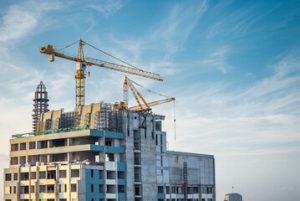
construction

The Importance of Exterior Construction in Property Value

Curb appeal plays a powerful role in property perception. A well-designed and properly maintained exterior creates an immediate sense of quality and care. For homeowners, this can translate into stronger resale potential. For commercial property owners, it enhances brand image and customer confidence.

However, visual appeal is only part of the equation. Exterior construction solutions must also defend against moisture intrusion, temperature fluctuations, wind exposure, and ultraviolet radiation. Over time, outdated materials can crack, warp, or fade, leaving a property vulnerable to damage.

Modern exterior construction balances two primary goals:

  1. Enhancing architectural beauty and design cohesion
  2. Providing durable, weather-resistant protection

Achieving both ensures that improvements are not merely cosmetic but also structurally beneficial.

Advanced Siding Systems for Durability and Style

Siding is one of the most influential elements of a building’s exterior. Modern siding materials are engineered for longevity, low maintenance, and visual versatility. Unlike older materials that required frequent repainting or repair, contemporary siding solutions resist fading, cracking, and moisture penetration.

Innovative siding systems often include layered installation methods that improve insulation and moisture management. These systems help prevent water infiltration while supporting energy efficiency.

When selecting modern siding options, property owners typically consider:

  1. Resistance to extreme weather conditions
  2. Insulation performance and thermal efficiency
  3. Minimal maintenance requirements
  4. Design flexibility and color retention

Upgrading siding not only refreshes the exterior appearance but also strengthens the building envelope against environmental stress.

Roofing Innovations That Enhance Protection

The roof is one of the most critical components of any structure. It protects against rain, snow, wind, and sun exposure while contributing significantly to overall curb appeal. Modern roofing solutions go far beyond traditional materials by integrating enhanced durability and energy-saving features.

Today’s roofing systems may include reflective surfaces that reduce heat absorption, advanced underlayment materials that prevent leaks, and improved ventilation systems that regulate attic temperatures. These innovations extend roof lifespan and improve indoor comfort.

Key benefits of modern roofing construction include:

  1. Increased resistance to wind uplift and impact damage
  2. Improved water-shedding capabilities
  3. Enhanced insulation performance
  4. Reduced long-term maintenance costs

Investing in updated roofing systems supports both visual consistency and reliable structural defense.

Energy-Efficient Windows and Exterior Doors

Windows and doors serve as transition points between interior and exterior spaces. Outdated units can compromise insulation, allowing drafts and moisture to enter the building. Modern exterior construction incorporates high-performance windows and doors designed to maximize efficiency and security.

Advanced glazing technology reduces heat transfer while maintaining natural light. Reinforced frames improve structural stability and resist warping over time. In addition, secure locking systems enhance safety.

Modern window and door upgrades provide:

  1. Better temperature control and energy savings
  2. Increased noise reduction
  3. Improved resistance to air and water infiltration
  4. Elevated aesthetic appeal through contemporary designs

By integrating energy-efficient features, property owners achieve a balance between comfort and protection.

Exterior Insulation and Moisture Barriers

One of the most important yet often overlooked aspects of exterior construction is insulation and moisture management. A properly sealed building envelope prevents water intrusion and air leaks that can lead to structural damage or mold growth.

Modern construction techniques utilize advanced moisture barriers and insulation systems that improve thermal performance while protecting structural components. These systems are strategically installed behind siding and beneath roofing materials to create a continuous protective layer.

Effective insulation and moisture control strategies typically focus on:

  1. Preventing condensation buildup within walls
  2. Reducing energy loss through air leakage
  3. Enhancing indoor comfort year-round
  4. Preserving structural integrity over time

These invisible improvements play a vital role in long-term building performance.

Exterior Cladding for Architectural Impact

Cladding systems have become increasingly popular in modern exterior construction. Designed to provide both decorative and protective functions, cladding adds dimension and texture to building facades.

From metal panels to composite materials, cladding offers versatility in design while reinforcing structural protection. Many systems are engineered to withstand harsh weather conditions and require minimal upkeep.

Cladding enhancements contribute to:

  1. Contemporary architectural appeal
  2. Improved resistance to moisture and UV exposure
  3. Increased durability against impact and wear
  4. Customizable design aesthetics

Incorporating cladding elements allows property owners to modernize their exterior while reinforcing structural resilience.

Enhancing Curb Appeal Through Exterior Lighting

Exterior lighting is a powerful yet often underestimated construction upgrade. Properly designed lighting systems highlight architectural features, improve nighttime visibility, and enhance security.

Modern lighting solutions include energy-efficient fixtures, motion sensors, and programmable controls. These technologies allow property owners to customize brightness levels and operating schedules.

Benefits of updated exterior lighting include:

  1. Improved safety along walkways and entry points
  2. Highlighted architectural details for visual interest
  3. Reduced energy consumption through smart controls
  4. Increased property visibility after dark

Thoughtfully integrated lighting transforms a property’s appearance while supporting functional safety.

Durable Exterior Finishes and Protective Coatings

Surface finishes play a crucial role in protecting exterior materials from weathering. Modern protective coatings are designed to resist fading, cracking, and moisture absorption. These finishes extend the lifespan of siding, trim, and masonry surfaces.

Advanced sealants and coatings provide additional defense against mold, mildew, and environmental pollutants. By investing in high-quality finishes, property owners reduce the frequency of repairs and repainting.

Protective exterior finishes offer:

  1. Enhanced resistance to UV rays and temperature fluctuations
  2. Lower maintenance demands
  3. Preservation of color vibrancy
  4. Additional moisture protection

Durable finishes ensure that curb appeal remains intact for years to come.

Smart Exterior Technology Integration

Technology is increasingly integrated into exterior construction solutions. Smart security cameras, automated gate systems, and sensor-driven lighting enhance both safety and convenience.

Modern exterior systems may also include smart irrigation for landscaping and remote-controlled shading devices for patios and windows. These technologies improve functionality while contributing to overall aesthetic harmony.

Smart exterior integrations provide:

  1. Enhanced property security and monitoring
  2. Greater convenience through remote control access
  3. Energy savings with automated adjustments
  4. Increased appeal for future buyers or tenants

Technology-driven features reflect forward-thinking design and modern living standards.

The Long-Term Value of Exterior Upgrades

Modern exterior construction solutions are strategic investments rather than short-term improvements. High-quality materials and thoughtful design reduce maintenance costs, improve durability, and protect against environmental damage.

Property owners who prioritize exterior upgrades often experience:

  1. Higher resale value and market competitiveness
  2. Reduced repair expenses over time
  3. Improved energy efficiency
  4. Enhanced occupant comfort and satisfaction

By combining aesthetic upgrades with protective enhancements, exterior construction becomes both visually transformative and structurally sound.

Planning an Effective Exterior Construction Project

Successful exterior improvements begin with careful planning. Property owners should assess existing conditions, identify vulnerabilities, and determine long-term goals. Budget considerations, material selection, and professional installation all play important roles in project success.

Working with experienced construction professionals ensures that upgrades align with building codes and performance standards. Proper installation is essential for maximizing the lifespan of materials and achieving intended results.

A strategic approach to exterior construction prioritizes durability, functionality, and design cohesion.

Building Beauty with Protection in Mind

Modern exterior construction solutions represent the intersection of design innovation and structural performance. Today’s materials and technologies allow property owners to enhance curb appeal while strengthening protection against the elements.

From advanced siding systems and roofing innovations to smart lighting and protective coatings, exterior upgrades contribute to both aesthetic excellence and long-term resilience. When thoughtfully planned and professionally executed, these improvements safeguard property value and elevate overall appearance.

In a competitive real estate landscape, first impressions matter—but lasting protection matters even more. By investing in modern exterior construction solutions, property owners create spaces that are visually striking, structurally durable, and prepared to withstand the challenges of time and weather.

What Happens During a Professional Cabinet Refinishing Process?

Cabinet Refinishing Sacramento

Cabinet refinishing is a quick, low-cost way to breathe new life into your cabinets. But without proper prep, the job can be messy and produce subpar results.

Cabinet Refinishing Sacramento uses a multi-step process that ensures a durable finish that looks better and stands up to daily wear. If you’re looking for a smooth, factory-grade result, hiring a pro is worth the investment.

Prep

Achieving a long-lasting, smooth finish starts with proper cabinet prep. During this phase, our team thoroughly cleans the surfaces to remove grease and dirt that can prevent the new materials from adhering. They then sand the cabinets with 120-grit sandpaper, which creates a rough surface that helps the primer and paint adhere and smoothes out imperfections. Lastly, they apply a high-quality primer that helps the topcoats bond and resist moisture.

Once the primer has dried, the professionals begin painting. Depending on the type of finish you choose, they may apply one to three coats of premium paint or stain, allowing each to dry in between. These multi-layered processes provide a durable finish that is both beautiful and strong, able to withstand daily wear.

Before the team gets to work, it’s important that you clear off your countertops and protect your floors and appliances with brown builder’s paper or plastic tarps. This will help prevent any accidental spills and keep dust from settling on the wet paint. It’s also a good idea to give the entire room a thorough cleaning to prevent mold, mildew and other harmful bacteria from growing on your cabinet surfaces.

The kitchen cabinet refinishing process is more than just an aesthetic upgrade—it’s a transformation that reshapes the heart of your home. From the broad strokes of style and color to the smallest details like handles, each decision contributes to a unique narrative that artfully blends creativity with functionality. By completing the necessary steps, you can craft a space that mirrors your unique style and perfectly complements your lifestyle. And while the time commitment varies from project to project, rest assured that professional cabinet refinishing is a high-impact way to upgrade your home’s value without breaking the bank.

Primer

Once surfaces are fully cleaned and prepped, it’s time to add the primer layer. This is one of the most important steps in a professional refinishing job because it’s what determines how long the finish will last and how well it will adhere to the wood. A quality primer is essential to achieving a flawless, smooth, durable finish.

Professionals use high-quality, oil-based primer that’s specifically designed for cabinetry and furniture. This ensures the best adhesion and prevents peeling. They also apply multiple thin coats, allowing each to dry completely before applying the next. The application process also involves sanding in between each coat with fine-grit sandpaper to ensure smooth and even coverage.

The primer layer also helps to protect surfaces from moisture and other elements that could damage the paint. Once applied, the primed layers can be sanded down and wiped clean with a damp cloth to prepare the cabinets for the final finish.

Once the primed layers are dry, it’s time to start painting. Start by coating the back sides of the doors, laying them flat and letting them dry before flipping them over and coating the fronts. Once the doors are coated, it’s a good idea to wait a few hours for them to dry completely before moving on to the cabinet boxes. During this phase, it’s important to use high-quality brushes and rollers to avoid visible start and stop points. Keeping the brush strokes as short as possible is also crucial for a smooth, consistent finish.

Refinishing your cabinets is an affordable and time-efficient way to dramatically transform your kitchen without spending money on a full replacement project. It can also increase the value of your home, give you more customization options, and provide a longer lifespan than replacing old or outdated cabinetry.

Paint

Paint is sprayed on evenly and brushed or roller applied to create a smooth surface. This phase may require several coats and adequate drying time between each application. Choosing the right type of paint is important for a long-lasting finish that will stand up to normal wear and tear. For example, oil-based paint is a good choice for a natural look that resists stains and water damage, but it requires more time to dry. A more durable option is latex paint, which offers a clean modern look and can handle light scratches.

Cabinet refinishing professionals provide expert advice on color and sheen options that will complement your kitchen and stand the test of time. They can also recommend hardware and finishes that will best fit your personal style. This is an opportunity to reshape the entire heart of your home, so make sure that you consider trends carefully and opt for a style that will be timeless.

This is also a great time to address minor damages, like dings and scratches, and fill them for an even appearance. The result is a fresh, updated kitchen that can stand up to years of use and still look good!

A professional will spray the cabinets to ensure a clean, consistent finish. This is a key difference between DIY or amateur projects, which tend to leave brush strokes and uneven coverage. Once the paint has cured, a final sealer or urethane topcoat can be applied for additional protection and durability. This is also an opportunity to add an accent color, such as a back splash or countertop, for a unique touch. This is a great way to tie your new kitchen together with the rest of the house!

Sealer

Refinishing is a popular choice among homeowners looking to revitalize their kitchens. It offers significant cost savings (50-70% compared to cabinet replacement) and a more sustainable approach by preserving existing materials. In addition, it can be a great way to customize your cabinets and achieve a unique aesthetic that complements your decor. However, a successful transformation requires careful preparation. If not done correctly, the new finish may bubble, crack, or peel over time.

To ensure a long-lasting, professional-quality result, the surface of each cabinet is thoroughly cleaned and prepped before painting. This includes removing all hardware and carefully masking off areas you don’t want to paint, such as countertops, backsplashes, and other appliances. Next, the cabinet surfaces are lightly sanded to create a smooth base and give primer and paint a good grip. Any small dings or surface repairs are then filled and leveled.

The sanding process is crucial for achieving a consistent and smooth finish. Once the sanding is complete, all surfaces are vacuumed and wiped down with a damp cloth to remove any residual dust or dirt. This step is particularly important for high-traffic areas like kitchens.

Lastly, the cabinets are sealed with an optional urethane or clear coat for added protection and durability. This optional step can also help prevent water stains and other common problems.

Once the final coat of sealer is applied, it’s time to reinstall the doors and drawer fronts. This process is carefully supervised to ensure all pieces are aligned properly, ensuring smooth operation and a uniform appearance. Once everything is cured and ready for use, the cabinet doors are reinstalled and all hinges are tightened to ensure proper functioning.

Installation

Cabinet refinishing is an excellent way to update your kitchen without the cost or mess of a complete remodel. It’s also an environmentally friendly option, reducing waste and the need for new materials.

Before the refinishing process begins, your N-Hance professional will visit your home and inspect your cabinets in person. They’ll take measurements and consult with you to discuss your goals for the project. This includes helping you choose a color that suits your style and coordinates with your countertops, backsplash, and appliances. Lighting is an important factor, and viewing color samples at different times of day can help you ensure you’re happy with the final result.

When the paint or stain is dry, a clear urethane sealant can be added for extra durability. This protects the finish from moisture, stains, and wear, which helps keep your refinished cabinets looking new. The sealant also adds a glossy, rich appearance that enhances the finish.

Refinishing isn’t just about transforming your cabinets from outdated to trendy, but rather about creating a timeless design that will stand the test of time. Your refinishing professional can provide input on current colors and finishes that blend modern styling with timeless neutrals to give you a look that will be in style for years to come.

Whether you’re looking to update your kitchen for yourself or for sale, a professionally refinished cabinet is an excellent investment that will pay off. It can increase your home’s value, and you can enjoy your upgraded space while you’re living there. With a little prep, the refinishing process isn’t as messy or time-consuming as many homeowners assume. And if you’re working with a reputable professional, they’ll make sure to clean up afterward and leave your kitchen in better condition than it was before.