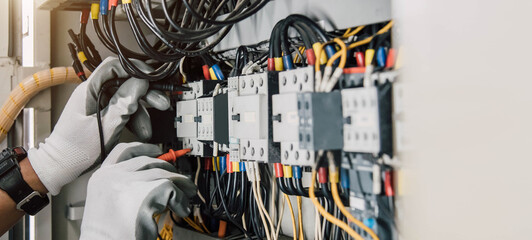
Electrical wiring is a critical component of a home or commercial building that provides safe and reliable power. Many homeowners are unaware that their existing wiring may be outdated or damaged.
Electrical rewiring involves a licensed electrician stripping out old wiring and running new wire throughout the building. It includes a new circuit breaker panel and ensures that the building meets modern electrical standards. Read on to Learn More.
Upgraded Wiring
A home’s electrical system plays an essential role in daily comfort and, more importantly, safety. When electrical problems occur, it’s important to address them quickly to avoid costly damage and potential fire hazards. Recognizing the signs that your house needs rewiring and understanding the benefits of this major home improvement project can help you maintain a safe living environment.
Modern homes are filled with a wide variety of electronics and appliances that demand a reliable power supply. Upgrading your wiring increases the load capacity of your circuits, allowing them to support the use of more appliances and devices without overworking the system or creating dangerous conditions such as electrical surges or flickering lights.
Older homes may have outdated wiring that no longer meets current standards, leading to a range of issues including electrical fires and shocks. Rewiring can provide a more effective and safer alternative to older systems, while also improving the efficiency of your entire Electrical System for reduced utility costs over time.
Rewiring a home involves removing and replacing existing wires. Depending on the size of your home and your preferences, you can rewire room-by-room or choose to complete an entire house rewiring. An experienced electrician can evaluate your needs, including any needed panel upgrades, to determine the best approach for your situation. In many cases, a full rewire is more cost-effective than addressing each individual room. In addition, whole-house rewiring typically involves opening walls so is best done alongside other remodeling projects to minimize disruption and labor costs.
Increased Energy Capacity
A home with outdated wiring can have trouble keeping up with the power demands of today’s appliances, chargers and electronics. Whole-house rewiring upgrades the electrical system to accommodate these demands, preventing blown fuses or other outages and reducing the likelihood of fire hazards.
New wiring also provides more energy efficiency. Older wires lose energy due to poor insulation or resistance, while modern materials allow for better conductivity and reduce power loss. This not only cuts utilities costs but also enhances the performance of devices connected to the system.
Home rewiring can improve your home’s flexibility by creating separate circuits for different appliances. You can put your refrigerator on one breaker, your air conditioner on another and have a dedicated circuit for your alarm or security system. This way, if one circuit fails, the rest of your home will still have power.
When the time comes to sell your home, upgrading your wiring will add value. Buyers will be more willing to pay for a house with a modern electrical system that can safely support the array of electronic devices they plan on using.
A licensed electrician can install a new circuit breaker panel to handle the load of your new wiring system and ensure that all building codes are met. They can also upgrade your service capacity, allowing you to run more electric appliances at once. This is a great option for larger homes that need more power to stay comfortable and meet the needs of today’s technology-dependent households. Contact a local electrician to discuss your options and start budgeting for your electrical rewiring project. They can typically access the existing wiring through attics, crawl spaces, or basements to minimize drywall damage and disruption to daily routines.
Increased Safety
In addition to increasing energy capacity, rewiring your home can also improve safety. Old wiring is prone to overheating, and the insulation is often brittle or even frayed. These issues can increase your risk of fires, which is why it’s so important to have electrical rewiring done by qualified and experienced professionals.
Flickering lights, tripping breakers and the smell of burning wire are all indicators that it’s time to rewire your house. Old aluminum wiring is especially dangerous, as it’s prone to oxidation and expansion. By upgrading your older wiring to copper, you can eliminate these hazards and protect your family from potentially deadly electrical fires.
A full rewire will upgrade your home to modern standards, ensuring that your appliances and electronics can run safely and reliably. This will also future-proof your property for any new technology that may come in the future.
Home rewiring is a large project that requires planning and preparation. It’s important to clear your property of any obstructions, as well as making sure that you have enough space for electricians to work comfortably. Additionally, you’ll need to inform your neighbors and take steps to manage disruptions during the rewiring process.
Once the rewiring is complete, your electrician will inspect the work and provide you with a compliance certificate that confirms that your house meets Part P of the Building Regulations. This certification is a key selling point that will help you get top dollar when you decide to sell your home in the future. Whether you’re considering a sale soon or just want to improve the comfort of your living space, whole-house rewiring is a wise investment for any homeowner.
Reduced Utilities Costs
Aside from the obvious safety benefits, rewiring helps to lower electric bills in the long run. Outdated wiring may cause your devices to work harder and consume more energy, leading to high utility costs. New wiring increases your load capacity, reducing the strain on your electric system. Whether you’re a homeowner in Suffolk County or managing a commercial property upstate, high electric bills are never welcome.
Home rewiring projects can take 3-10 days, depending on the size and complexity of the house. To reduce expenses, it’s best to hire a qualified electrician with extensive experience completing electrical rewires. A licensed electrician will perform a thorough assessment of your electrical system to identify any issues that require attention. They will then select the correct materials and install your new wires in accordance with local codes and regulations.
Adding new wiring improves your home’s value, making it more attractive to buyers. It also prevents potential deal-breakers during inspections and future problems that can cost you money in repair bills or insurance claim denials.
Before hiring a licensed electrician, create an inventory of your house’s electronics to understand which areas consume the most electricity. This will help you prioritize which rooms need rewiring. In addition, make sure your electrician has adequate experience and insurance coverage to ensure the project is completed safely.
Postponing rewiring your home can have life-threatening consequences. Outdated wiring is a common cause of house fires, which lead to hundreds of injuries and thousands of dollars in damage every year. In addition, many older homes have hazardous materials like asbestos and lead paint that require special handling and can add to your rewiring costs.
Increased Home Value
Rewiring is a major renovation project, but it’s one that can significantly increase your home’s value. Not only does it make your home safer and more energy-efficient, but it also ensures compliance with electrical codes and supports modern technology. As such, it’s often worth the investment for homeowners who plan to sell their property in the future.
A licensed electrician will start the rewiring process by conducting a thorough assessment of your wiring, outlets, and switches to identify any potential problems. Then, they’ll determine the necessary materials for the job, which can vary based on the house’s size and construction type. For example, larger homes usually require more material and can take longer to rewire than smaller properties. Additionally, the quality of the materials used can affect the total cost. For example, standard nonmetallic cables are generally cheaper than more premium options.
The rewiring process is very disruptive, as it involves cutting into walls and ceilings and may create dust and noise. However, it’s possible to minimize disruption by doing a partial rewire or by having the work done while your home is unoccupied. Additionally, redecoration is typically needed after rewiring, including repainting walls and replacing flooring.
While the costs of rewiring can seem high, there are many ways to pay for this essential upgrade, such as using a personal loan, credit card, or savings. In addition, many local and state governments offer grants or subsidies for home improvement projects, including electrical upgrades. In some cases, rewiring can even be covered by your homeowner’s insurance. If you need help paying for your home rewiring project, contact us to learn more about our flexible personal loans.