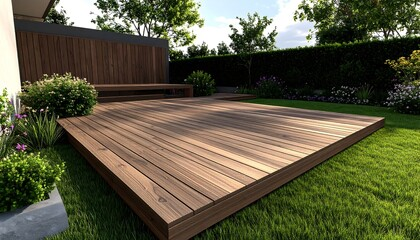
Wood decking offers an appealing aesthetic that can complement a wide range of design styles. Wood can be stained, painted or left unfinished to achieve the look you prefer.
However, wood decking requires regular maintenance including painting, staining and sealing to protect against moisture damage. Composite decking does not require this level of upkeep and is more resistant to rot, decay and insect damage. Go to https://jrcsi.com/ to learn more.
Durability
When selecting a decking material for your outdoor space, durability is one of the most important factors to consider. You’ll want your deck to stand up to harsh weather, heavy foot traffic, and the test of time without degrading or fading. Both wood and composite materials can meet these needs, but they do so in different ways.
Wood has a natural, authentic look that many homeowners find desirable. In addition, it offers a more affordable upfront option than most forms of composite and can be customized with stains to match your home’s exterior color scheme. However, even pressure-treated wood has a limited lifespan and requires regular maintenance to keep it looking new.
Composite decking, on the other hand, can last much longer than traditional wood and requires less upkeep to maintain its appearance. It also resists rot, insects, and water penetration better than wood. Additionally, it won’t splinter or warp like wood. Its longevity, low-maintenance appeal, and eye-catching design options make it a popular choice for backyard retreats, poolside lounging areas, and dining spaces.
Most quality composite products feature durable PVC and polyethylene cores with a protective outer shell. Manufacturers use a mix of recycled plastics and wood products, such as sawdust, to create the blend and bond them together with heat and preservatives. Some composite products are even made from wood-free, bio-based materials to reduce environmental impact and help preserve forests.
While early versions of composite decking had a more plastic-like appearance, today’s offerings are made to mimic the color and grain texture of real wood with striking results. In fact, some people cannot tell the difference between a wood and composite deck. Many also feature hidden fasteners, adding to the clean, refined aesthetic.
Another benefit of composite is that it stays cooler underfoot than natural wood, which can become uncomfortably warm on hot days. Proper ventilation, shade features, and lighter colors can help reduce solar absorption and keep your deck comfortable all year round.
Maintenance
One of the most important factors homeowners must consider when choosing a decking material is how much maintenance it will require. Wood decks typically require staining and painting at least once every few years, as well as regular inspections to ensure rot and warping are not causing damage.
These upkeep costs add up over time, but composite decking is much less costly in this regard. Because it is resistant to rotting and insect damage, you can expect a significantly longer lifespan from your composite deck, saving you both money and time in the long run.
Aside from periodic cleaning, there is little else to worry about with a composite deck. It can handle high levels of foot traffic and is designed to resist the impact of rain, snow, and hail. Its surface also doesn’t splinter, making it a safe choice for families with children and pets.
Unlike natural wood, composite material is not as comfortable to walk on. Its color and texture can heat up with direct sunlight, and it does not insulate as naturally. This can make it uncomfortable for people to spend prolonged periods of time on a hot deck. Additionally, the lack of an ability for the deck to absorb moisture can make it slippery when wet, creating a slip risk.
The good news is that there are ways to mitigate these issues. Incorporating rugs or furniture leg caps can prevent the deck from becoming too slippery, while sweeping can help to remove loose dirt and debris from the surface.
As a final note, it is important to remember that both wood and composite decks require a level of maintenance in order to stay in good condition. This is why it is so important to work with a reputable, knowledgeable builder when building or renovating your deck. By choosing the right materials and working with a professional, you can rest assured that your deck will be able to withstand both high traffic and the elements for many years.
Aesthetics
Wood decks provide a natural look that’s hard to duplicate with artificial materials. They offer a classic beauty and feel that homeowners love, as well as warmth underfoot. However, a wood deck requires regular staining, sealing, and other treatments to prevent rot and mold. This maintenance can be time-consuming and costly.
Composite decking is a modern, alternative option that provides many of the benefits of wood but with less maintenance and upkeep. Designed with wood fibers and recycled plastic, composite is available in a variety of colors to complement any home style and design. In addition to its aesthetic appeal, composite decks are durable and safe for children and pets.
One of the main reasons homeowners choose composite over wood is its minimal maintenance requirements. Unlike wood, composite decking doesn’t need sanding or staining to keep it looking new. It’s also resistant to direct sunlight, scratching, water damage, and insects. This helps homeowners save time and money on maintenance every year.
While composite decks are designed to withstand harsh weather conditions, they may experience some fading and discoloration over the years. To minimize this, homeowners can use protective coatings to protect their composite boards from moisture and sun exposure.
Although composite can be stained to preserve its original color, the process is time-consuming and may require professional assistance. Alternatively, some manufacturers have introduced fade-resistant technology to help their composites retain their color for longer.
Lastly, composite decking is often more difficult to cut than wood. This can be a problem if you need to repair or replace a damaged board. Additionally, some composites can retain heat, which makes them uncomfortably hot underfoot on scorching days.
Wood decks are susceptible to rot, mold, splintering, and insect damage over time. This can lead to structural issues and safety hazards for family members and guests. However, with proper care and maintenance, a wood deck can last for decades. Moreover, it’s possible to find wood products with a wide range of warranties from manufacturers like Trex that cover both material and labor costs. These warranties can add significant value to your investment.
Cost
Whether you’re building a cozy backyard retreat or a spacious entertaining area, composite decking is an excellent choice for your new outdoor space. The smart blend of durability, low maintenance, and eye-catching design options makes it a practical and stylish solution that saves you time and money over the long haul.
Wood decks typically require refinishing every couple years, which is a labor-intensive process that costs both in dollars and elbow grease. A quality composite deck requires a little soap and water for periodic cleaning, freeing up your weekends to spend enjoying the benefits of your outdoor living space.
When it comes to upfront costs, composite can be more expensive than natural wood. However, once the initial investment is made, you’ll reap significant savings in annual upkeep expenses. This is due to a reduced need for staining and other repairs, which can add up over the life of your composite deck.
Additionally, a high-quality composite deck will last far longer than traditional wood, saving you thousands in replacement costs over the lifetime of your home. Considering that these savings can add up over the years, composite decking is actually the more cost-effective option when comparing total cost of ownership.
In addition to providing a durable, low-maintenance decking solution, composite is also an environmentally responsible option. Many brands use recycled materials and reclaimed sawdust, reducing waste and the need for fresh material. Furthermore, using wood byproducts allows manufacturers to get more use out of a single tree and reduces the amount of waste that ends up in landfills or oceans.
As a result, composite is an ideal choice for homeowners and designers who value environmental responsibility. With many different types of composite available, it is easy to find a material that matches project requirements and industry standards. By familiarizing yourself with key terms like profiles, span ratings, and fastening methods, you can ensure that your project specifications are accurate and meet code requirements.
Choosing the right decking is an important decision for any homeowner or designer. Understanding the pros and cons of each type will help you make an informed decision for your next project. Whether you’re looking for an authentic, natural wood look or a durable, low-maintenance alternative, Resysta can help you find the best fit for your next project.