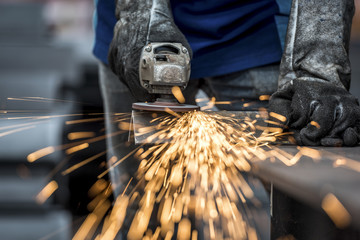
Modern Solutions for Durable and Custom Metal Structures

Metal Fabrication

Metal is everywhere in modern construction and design, even if most people do not notice it right away. From stair railings and structural beams to decorative panels and industrial equipment, fabricated metal plays a major role in shaping residential, commercial, and industrial spaces.

The strength, flexibility, and durability of metal make it one of the most valuable materials used in modern manufacturing and architecture. Boise Metal Fabrication allows raw metal materials to be transformed into customized products and structures that improve functionality, appearance, and long term performance.

Understanding What Metal Fabrication Is

Metal fabrication is the process of cutting, shaping, assembling, and finishing metal materials to create custom products and structural components. This process involves transforming raw sheets, bars, or tubes of metal into finished pieces used in construction, manufacturing, architecture, and many other industries. Fabrication combines technical precision with skilled craftsmanship to create products that meet specific design and performance requirements.

The process often involves multiple techniques including welding, bending, cutting, and machining. Each step plays an important role in achieving the final shape and strength of the product. Fabricators work with different metals such as steel, aluminum, stainless steel, copper, and brass depending on the needs of the project.

Metal fabrication is used in both small decorative applications and large industrial structures. Whether creating custom gates, staircases, machinery parts, or architectural features, fabrication provides the flexibility to design solutions for a wide range of purposes.

Common Types of Metals Used in Fabrication

Different types of metals offer unique advantages in fabrication projects. Steel is one of the most widely used materials because of its exceptional strength and versatility. It is commonly used for structural framing, industrial equipment, stair systems, and heavy duty applications where durability is essential.

Aluminum is another popular fabrication material because it is lightweight and resistant to corrosion. This makes it ideal for outdoor structures, decorative panels, transportation components, and architectural features. Aluminum is also easier to shape and transport compared to heavier metals.

Stainless steel is valued for both its durability and modern appearance. It resists rust and staining, making it suitable for kitchens, railings, medical equipment, and commercial environments. Copper and brass are often used in decorative applications because of their distinctive finishes and elegant appearance.

Choosing the right metal depends on factors such as strength requirements, environmental conditions, maintenance expectations, and overall design goals.

The Metal Fabrication Process

Metal fabrication begins with planning and design. Measurements, technical drawings, and material specifications are carefully prepared to ensure the finished product meets the required dimensions and functionality. Precision during the planning stage is critical because even small errors can affect the final result.

Cutting is one of the first major steps in fabrication. Metal sheets or bars are cut into specific sizes and shapes using specialized equipment. Modern fabrication often uses laser cutting or plasma cutting technology to achieve accurate and clean edges. These advanced methods improve efficiency and allow for more complex designs.

After cutting, metal components are shaped through bending or forming processes. Fabricators use equipment designed to create precise angles, curves, and structural forms. Welding is then used to join metal pieces together and create a stable finished structure. The final steps may include grinding, polishing, coating, or painting to improve appearance and durability.

Every stage of fabrication requires technical skill and attention to detail. High quality fabrication ensures the finished product performs safely and maintains its structural integrity over time.

Architectural Metal Fabrication

Architectural metal fabrication focuses on creating metal features that combine structural performance with visual appeal. These fabricated elements are often used in residential and commercial buildings to enhance design and functionality. Architectural metal works can include stair railings, decorative panels, balconies, gates, canopies, and custom framing systems.

Modern architecture frequently incorporates fabricated metal because of its clean lines and design flexibility. Steel and aluminum are especially popular for contemporary spaces where sleek finishes and minimalist structures are desired. Decorative laser cut panels and custom metal facades are also widely used to create visually striking exteriors.

Architectural fabrication allows designers to customize shapes, textures, and finishes according to the specific style of the property. This level of customization makes fabricated metal an important element in modern interior and exterior design.

In addition to appearance, architectural metal fabrication also contributes to durability and long term performance. Properly fabricated metal components can withstand weather, heavy use, and environmental exposure for many years.

Industrial and Commercial Metal Fabrication

Industrial metal fabrication plays a major role in manufacturing, construction, and infrastructure development. Fabricated metal components are used in machinery, equipment, storage systems, transportation structures, and production facilities. These applications often require high levels of strength, precision, and reliability.

Commercial properties also rely heavily on fabricated metal systems. Staircases, railings, structural supports, shelving systems, and security gates are common examples of fabricated products used in offices, retail spaces, and public buildings. Metal fabrication helps create durable environments capable of handling high traffic and demanding conditions.

Heavy duty industrial fabrication often involves large scale projects that require specialized equipment and advanced welding techniques. Precision is essential because structural safety and long term performance depend on accurate fabrication standards.

Commercial fabrication projects may also prioritize aesthetics alongside functionality. Modern businesses often incorporate architectural metal features to create professional and visually appealing spaces for employees and customers.

Benefits of Metal Fabrication

One of the biggest benefits of metal fabrication is customization. Fabricated metal products can be designed according to exact specifications, allowing property owners and businesses to create solutions that fit their unique needs. This flexibility makes metal fabrication suitable for both decorative and structural applications.

Durability is another major advantage. Metal structures are capable of withstanding harsh weather conditions, heavy loads, and daily wear for many years. Properly fabricated and finished metal products often require less maintenance compared to other materials.

Strength and safety are also important benefits. Fabricated steel and aluminum systems provide reliable structural support for buildings, staircases, railings, and industrial equipment. High quality fabrication ensures that components perform safely under demanding conditions.

Efficiency is another reason why metal fabrication is widely used. Modern fabrication technology allows for faster production and greater precision. This helps reduce material waste and improve project timelines while maintaining consistent quality.

Modern Trends in Metal Fabrication

Metal fabrication continues to evolve with advancements in technology and design trends. Laser cutting and computer controlled machinery have improved accuracy and expanded the possibilities for custom fabrication. Complex patterns, decorative panels, and highly detailed designs are now easier to produce with modern equipment.

Minimalist architectural styles have also influenced fabrication trends. Clean lines, matte finishes, and exposed metal structures are increasingly popular in both residential and commercial design. Black steel framing and industrial inspired elements are especially common in modern interiors.

Sustainability is another growing trend in metal fabrication. Many metals are recyclable, making them an environmentally conscious choice for construction and manufacturing projects. Fabricators are also focusing on reducing waste and improving energy efficiency during production processes.

Mixed material designs are becoming more common as well. Combining fabricated metal with wood, glass, or concrete creates visually balanced spaces that feel modern while maintaining warmth and texture.

Choosing the Right Metal Fabrication Services

Selecting the right metal fabrication service is important for ensuring quality results and long term durability. Experience and technical expertise play a major role in successful fabrication projects because precision and craftsmanship directly affect performance and safety.

Property owners and businesses should consider the type of project, material requirements, and desired finish when choosing fabrication services. Some projects may focus heavily on structural strength while others prioritize decorative detail and custom design.

Communication and planning are also essential. A clear understanding of design goals, dimensions, and installation requirements helps ensure the final product meets expectations. High quality fabrication combines technical accuracy with attention to visual detail.

Professional fabrication services also help ensure that materials are selected appropriately for the intended environment. Outdoor projects may require corrosion resistant finishes while interior architectural features may prioritize aesthetics and customization.

Conclusion

Metal fabrication is one of the most important processes in modern construction, manufacturing, and architectural design. From structural steel systems to decorative architectural features, fabricated metal provides strength, versatility, and long lasting performance across a wide range of applications.

The ability to customize metal into unique shapes and functional structures makes fabrication an essential part of both residential and commercial projects. Modern technology and skilled craftsmanship continue to expand the possibilities for creative and durable metal solutions.

Investing in quality metal fabrication not only improves structural reliability but also enhances the appearance and value of a property. Whether used for industrial equipment, custom railings, decorative panels, or large architectural systems, fabricated metal remains a key element in building strong, functional, and visually impressive spaces.

Understanding the Role of Child Custody Private Investigators

Private Investigators

Child custody disputes rank among the most emotionally charged and consequential legal proceedings families face. When parents separate or divorce, determining custody arrangements that serve children’s best interests becomes paramount, yet conflicting accounts of parental fitness, living conditions, and care quality often complicate these determinations.

Child Custody Private Investigator provides objective documentation and evidence gathering services that help courts, attorneys, and parents themselves understand the reality of situations where children’s welfare hangs in the balance. These specialized professionals operate within strict legal and ethical boundaries to collect information that informs custody decisions, ensuring that determinations rest on facts rather than accusations or assumptions.

The Scope and Purpose of Custody Investigations

Child custody private investigators focus exclusively on gathering factual information relevant to custody determinations and parental fitness evaluations. Their work centers on documenting observable behaviors, living conditions, and circumstances rather than offering opinions about what custody arrangements should be. Courts and attorneys rely on this documented evidence to supplement testimony and other materials considered during custody proceedings.

Investigators might document a parent’s daily routines, observing how consistently they maintain schedules, whether they fulfill commitments to children, and how they interact during parenting time. They verify claims about employment, living situations, romantic relationships, or lifestyle choices that parties dispute. When one parent alleges concerning behavior like substance abuse, neglect, or exposure to dangerous situations, investigators work to confirm or refute these allegations through careful observation and documentation.

The scope of investigation varies dramatically based on specific concerns raised in custody disputes. Some cases require limited surveillance to verify specific claims, while others demand comprehensive investigations documenting multiple aspects of parental behavior and home environments over extended periods. Investigators work closely with attorneys to understand what information courts need to make informed decisions, focusing efforts on gathering evidence directly relevant to custody considerations rather than pursuing tangential matters.

Importantly, custody investigators operate with children’s welfare as the ultimate priority. While hired by one party in custody disputes, ethical investigators maintain objectivity and document what they observe accurately regardless of whether findings support their client’s position. This professional integrity proves essential because courts rely on investigative reports being truthful and complete rather than biased presentations designed to favor whoever paid for services.

Methods and Techniques Used in Custody Investigations

Surveillance represents perhaps the most common investigative technique in custody cases, involving careful observation and documentation of parent and child activities. Investigators might monitor school drop-offs and pickups to verify punctuality and appropriate interaction. They observe playground visits, medical appointments, or extracurricular activities to document parental involvement and attentiveness. Surveillance also documents concerning behaviors like driving under the influence with children present, leaving children unsupervised, or exposing them to unsuitable environments.

Modern surveillance relies heavily on photographic and video documentation that provides objective visual evidence courts can review. Quality investigators use professional equipment and techniques ensuring documentation is clear, properly time-stamped, and admissible in legal proceedings. They maintain detailed logs noting dates, times, locations, and descriptions of observed activities, creating comprehensive records that withstand legal scrutiny.

Background investigations complement surveillance by verifying factual claims about employment history, criminal records, driving records, or other documented information relevant to parental fitness. Investigators access public records, conduct database searches, and verify credentials or claims that parties make during custody proceedings. This research identifies discrepancies between what parties claim and what documentation reveals.

Witness interviews sometimes factor into custody investigations when neighbors, teachers, childcare providers, or others have relevant observations about parenting quality, home conditions, or child welfare. Investigators conduct these interviews professionally, documenting statements carefully while respecting privacy and avoiding harassment or intimidation. Quality investigators understand legal boundaries governing witness contact and ensure their methods comply with applicable laws.

Home environment assessments document living conditions where children spend time, noting safety concerns, cleanliness, appropriate sleeping arrangements, and whether environments meet children’s basic needs. Investigators photograph or video document conditions, creating visual records that speak more powerfully than verbal descriptions. They note factors like working smoke detectors, secure storage of medications or dangerous items, adequate food availability, and age-appropriate accommodations.

Legal and Ethical Considerations

Child custody investigations operate within complex legal frameworks varying by jurisdiction. Investigators must understand privacy laws, surveillance regulations, and evidentiary rules governing what evidence courts accept and how it must be gathered. Violating these legal boundaries can result in evidence being excluded, investigators facing legal consequences, and cases being compromised rather than supported.

Privacy expectations limit where and how surveillance can occur. Public spaces generally allow observation and recording, but private property presents restrictions. Investigators cannot trespass, use illegal tracking devices, or employ methods that violate reasonable privacy expectations. Understanding these boundaries requires legal knowledge and careful judgment about what investigation methods remain within legal limits.

Recording conversations raises particular legal concerns with laws varying significantly between jurisdictions. Some areas require all parties to consent before conversations can be recorded, while others allow recording with single-party consent. Investigators must know applicable laws and ensure their methods comply, as illegally obtained recordings not only face exclusion from evidence but can result in criminal charges against investigators.

Ethical considerations extend beyond mere legal compliance. Professional investigators avoid methods that could traumatize children, even when such methods might be technically legal. They resist pressure from clients to manufacture evidence or distort findings. They maintain confidentiality about sensitive information discovered during investigations. These ethical commitments distinguish professional investigators from those willing to cut corners or engage in questionable practices.

The best custody investigators belong to professional organizations with codes of ethics governing their work. They maintain appropriate licensing where required and carry liability insurance protecting clients from potential problems arising from investigative work. They provide testimony in court proceedings when needed, explaining their methods and findings professionally under oath and cross-examination.

Working Effectively With Attorneys and Courts

Child custody investigators typically work under attorney direction, with lawyers hiring investigators to gather specific evidence supporting their clients’ custody positions. This relationship requires clear communication about what information is needed, what legal standards apply, and how findings will be used in custody proceedings. Investigators provide regular updates about their progress and findings, allowing attorneys to adjust strategies based on developing information.

Investigative reports represent the primary work product delivered to attorneys and potentially courts. Quality reports present findings clearly and objectively, including detailed timelines, photographic or video evidence, and factual descriptions of observed activities. Reports avoid speculation or conclusions beyond the investigator’s expertise, instead presenting documented facts that attorneys and courts can interpret within legal frameworks governing custody determinations.

Court testimony sometimes requires investigators to present findings directly to judges making custody decisions. Testifying investigators must explain their methods, defend the reliability of their findings, and withstand cross-examination from opposing counsel. Professional investigators prepare thoroughly for testimony, ensuring they can articulate how they gathered evidence, why their methods were appropriate, and what their documentation reveals about custody-relevant factors.

Understanding judicial perspectives on custody matters helps investigators focus on information courts actually need. Judges consider factors like parental stability, ability to meet children’s physical and emotional needs, quality of parent-child relationships, and whether either parent presents risks to child welfare. Investigators who understand these judicial priorities can target their efforts toward documenting factors most relevant to custody determinations.

The Impact on Custody Proceedings and Outcomes

Professional investigation can significantly impact custody proceedings by providing objective evidence that clarifies disputed facts. When parents present conflicting accounts of situations, investigative documentation offers courts concrete information for evaluation. Video of a parent consistently arriving late for custody exchanges carries more weight than testimony about alleged tardiness. Photographs of unsafe home conditions speak more clearly than verbal descriptions.

Investigation findings sometimes lead to settlements before cases reach trial. When confronted with documented evidence contradicting their claims, parties may become more willing to negotiate reasonable custody arrangements rather than risk unfavorable judicial decisions based on investigative findings. This can spare families the emotional and financial costs of contested trials while reaching agreements serving children’s interests.

However, investigation also carries risks that must be considered carefully. Documented evidence might reveal uncomfortable truths about both parents, complicating custody positions. The expense of professional investigation can be substantial, requiring cost-benefit analysis about whether potential value justifies investment. Overreaching investigations that invade privacy or employ questionable methods can backfire, damaging credibility and potentially harming custody positions rather than supporting them.

Parents considering hiring custody investigators should discuss expectations, costs, and potential outcomes honestly with attorneys before proceeding. Understanding what investigation can and cannot accomplish, what it might reveal, and how findings might influence custody proceedings allows for informed decisions about whether investigation makes sense for specific situations.

Final Thoughts

Child custody private investigators serve important functions in helping courts make informed decisions affecting children’s welfare and future living arrangements. Their professional documentation and evidence gathering provides objective information that supplements testimony and other materials courts consider during custody proceedings. When conducted ethically and legally by qualified professionals, custody investigation can illuminate truth in disputed situations, supporting decisions that genuinely serve children’s best interests.

However, the sensitive nature of custody matters demands that investigations proceed with appropriate care, respect for legal boundaries, and unwavering commitment to children’s welfare above partisan interests. Families facing custody disputes should carefully consider whether professional investigation serves their situation, understanding both the potential value and the responsibility that comes with introducing such evidence into proceedings that will shape children’s lives for years to come.